By Azeefa Fathima “I have had an interest in farming since childhood. On India’s 50th Independence Day in 1997, my friends and I planted 100 teak saplings in our school. VIRUDHUNAGAR: With 50 different types of trees on half an acre at Sundarapandiam village in Virudhunagar’s Watrap, Dr M Subburaj has created a ‘carbon sink’ in an effort to increase oxygen in the atmosphere. A carbon sink is anything that absorbs more carbon from the atmosphere than it releases. The 41-year-old Hyderabad professor began working on his ‘Project Oxygen Factory’ during the first wave of the pandemic; back in his hometown owing to the lockdown, he had plenty of time to think and work. Ten of his friends were ready to help him in his venture. “I have had an interest in farming since childhood. On India’s 50th Independence Day in 1997, my friends and I planted 100 teak saplings in our school. Harking back on it, I wanted to do something that would benefit the environment but, at the same time, st...
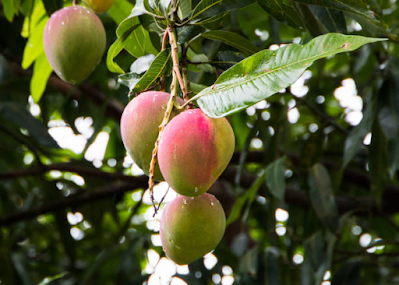
It is more than a delicious fruit, for it is sacred, even a goddess Nanditha Krishna (Photo: Getty Images) The mango or Mangifera indica is the favourite fruit of every Indian. It is believed to have originated in southern Asia, particularly in eastern India. Whether it is Alphonso or Banganapalli or Kilimookũ or any other, it is on the ‘Mango Map’ of India. There are nearly 1,500 varieties of mango in India, including about 1,000 commercial varieties. Each variety of mango has a unique taste and flavour. The king of them all, Alphonso, was the first variety to be grafted. The word mango comes from the Tamil ‘ manga’ , so the fruit is as Indian as you can get. But the mango is more than a delicious fruit, for it is sacred, even a goddess. Amba or Ambika, the mango goddess, is Durga or Adi Parashakti, Mother of the Universe and of all creation. In the Skanda Purana , she kills the demons Shumbha and Nishumbha. In the Devi Bhagavatam , Ambik...


Comments
Post a Comment